How to Forgive Yourself for Hurting Someone: where to start
Forgiving yourself after hurting someone begins with naming what you did, acknowledging its impact, taking appropriate responsibility and making realistic changes. Apologize or repair the harm when it is safe and welcome, respect the other person's boundaries, and accept that they may never forgive you. Self-forgiveness means doing better without using ongoing self-punishment as proof that you care.

- Self-forgiveness is not the same as excusing yourself
- 1. Name what you did without turning it into your whole identity
- 2. Consider the other person’s experience
- 3. Offer a sincere apology when appropriate
- 4. Make a realistic repair and respect boundaries
- 5. Turn remorse into a specific commitment
- 6. Allow yourself to move forward without demanding forgiveness
- Free reflection worksheet
- Common questions
Self-forgiveness is not the same as excusing yourself
An honest apology starts with acknowledging what happened, not explaining why the other person should get over it. You can recognize the seriousness of your actions and still believe that change is possible. There may be consequences you need to accept even after you have made an effort to repair the harm.
1. Name what you did without turning it into your whole identity
Instead of “I am a terrible person,” try a specific description: “I said something hurtful when I was upset.” Specificity helps you see what needs to change. It does not minimize the impact, but it gives you something concrete to work on rather than attacking your entire worth.
2. Consider the other person’s experience
You may not know exactly how someone felt, and you should not presume to speak for them. Consider the likely effects of your actions and listen if they choose to tell you. Avoid asking them to reassure you or comfort you about your guilt.
3. Offer a sincere apology when appropriate
A useful apology identifies the action, acknowledges the harm, expresses regret and explains what you are doing differently. For example: “I spoke harshly, and that was not fair to you. I am sorry. Next time I will take a pause instead of saying things in anger.” Do not attach demands for forgiveness or a response.
4. Make a realistic repair and respect boundaries
Repair might mean returning something, correcting misinformation, paying what you owe, or following through on a promise. Sometimes the most respectful action is to give the other person space. If they have requested no contact, honor that request rather than sending an apology they have not invited. Seek qualified guidance if safety or legal issues are involved.
5. Turn remorse into a specific commitment
Think about what led to the harmful behavior, and write down a change you can practice. If you tend to react harshly in disagreements, for example, plan to pause before responding. If you have a pattern of behavior that harms relationships, a counselor or appropriate support group may help you work on it.
6. Allow yourself to move forward without demanding forgiveness
You cannot control another person’s feelings, and their response is not a requirement for you to begin acting differently. Let yourself grieve what cannot be restored. Revisit your commitment when regret returns. Remind yourself that continued responsible choices serve others better than repeatedly condemning yourself.
Putting this into practice
Imagine you spoke unfairly to a relative in an argument. Rather than sending repeated messages asking them to forgive you, take responsibility once if contact is welcome, give them room, and practice a different response to future conflict. Making amends may take time; reconciliation is not owed to you.
Your free reflection worksheet
Take your time. Write down what you notice, then choose one manageable next step.
Your responses stay in this page while it is open. They are not submitted to Lisa or saved by this worksheet. Print or save a copy if you want to keep them.
When to seek additional support
If these worries or feelings of guilt are persistent, interfere with everyday activities, or feel too difficult to manage on your own, consider speaking with a qualified mental health professional. You deserve support as you work through them.
Frequently asked questions
How do I forgive myself if someone will not forgive me?
Respect their decision and boundaries. Take responsibility for your part and any outstanding obligations, continue changing your behavior, and seek support if your guilt feels unmanageable.
Does forgiving myself mean the harm no longer matters?
No. Accountability and self-compassion can coexist. You may still need to repair harm, accept consequences and keep practicing different behavior.
Should I apologize again if they do not respond?
Not necessarily. Repeated contact may put pressure on someone who wants space. Respect their wishes, and consider seeking guidance if you are uncertain about appropriate amends.
What if I cannot undo the damage?
Acknowledge the loss, make any remaining appropriate repair and commit to choices that reduce future harm. You cannot rewrite the past, but you can influence how you live today.
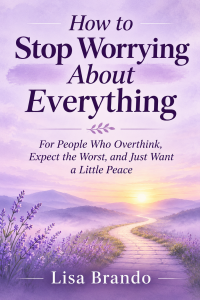
How to Stop Worrying About Everything
My book explores making peace with the past, recognizing unhelpful thoughts and moving forward with greater kindness toward yourself.
Find more peace - related free guides
Helpful resources

About Lisa Brando
Lisa Brando is the author of The Finding Peace Series, an artist, mother, grandmother, entrepreneur and U.S. Coast Guard veteran. She began publishing her books at 64 to share encouragement with readers navigating worry, guilt and major life changes.
This article provides general educational information and personal encouragement, not medical advice, diagnosis or a substitute for professional care.