How to Stop Worrying About What Others Think: where to start
You can worry less about what others think by separating actual feedback from imagined judgment, deciding whose opinions deserve your attention, and practicing small choices that reflect your values. You do not need to stop caring about anyone else. You can be considerate without making everybody else's approval the condition for feeling good about yourself.

- Why do other people’s opinions feel so important?
- 1. Separate what happened from what you imagined
- 2. Decide whose feedback is useful
- 3. Replace approval with your own values
- 4. Start with a small choice
- 5. Be kind without saying yes to everything
- 6. Handle real criticism without losing yourself
- Free reflection worksheet
- Common questions
Why do other people’s opinions feel so important?
Wanting to belong is understandable. Sometimes we start treating disapproval as a sign that we have done something wrong, even when someone simply has a different preference. Think of a decision you are putting off. Are you waiting for information you actually need, or permission that no one else has the right to grant?
1. Separate what happened from what you imagined
A friend who has not answered your message might be busy. A person who disagrees with your choice may have different priorities. Write down the observable facts first, then your interpretation. A more balanced possibility is not a guarantee that everything is fine; it is a reminder that you do not know exactly what another person is thinking.
2. Decide whose feedback is useful
Consider whether the person knows the situation, has your interests at heart, and offers specific feedback you can act on. Advice from a trusted friend may be worth considering. A stranger's offhand comment may not deserve the same amount of space in your day. You can hear feedback without accepting every part of it.
3. Replace approval with your own values
Ask: If nobody were watching, what would I choose? What kind of person am I trying to be? A choice that reflects honesty, kindness, creativity or responsibility may feel right even if it disappoints someone. Values do not excuse harmful behavior; they help you decide how to respond responsibly.
4. Start with a small choice
Choose one small thing you usually second-guess: wearing an outfit you like, sharing an idea, taking a break, or expressing a preference. Let yourself experience the uncertainty without immediately asking everyone for reassurance. Afterwards, notice what actually happened and what you learned. You do not need to tackle your most frightening situation first.
5. Be kind without saying yes to everything
A boundary can be simple: “Thank you for thinking of me, but I cannot do that today.” You can listen to someone’s disappointment without changing a reasonable decision. If you are dealing with coercion, threats or an unsafe relationship, prioritize safety and seek appropriate support.
6. Handle real criticism without losing yourself
If someone raises a fair concern, listen, ask for clarification, and change what makes sense. If the criticism is unkind or vague, you do not have to argue until they agree with you. There is a difference between being accountable for your actions and trying to control every opinion about you.
Putting this into practice
Imagine you want to publish a painting online but worry a friend will think it is silly. The fact is that you have not posted it yet. The prediction is that your friend will judge it. Your value is creativity. A small next step might be sharing it with one supportive person, then noticing how it feels to let your work be seen.
Your free reflection worksheet
Take your time. Write down what you notice, then choose one manageable next step.
Your responses stay in this page while it is open. They are not submitted to Lisa or saved by this worksheet. Print or save a copy if you want to keep them.
When to seek additional support
If these worries or feelings of guilt are persistent, interfere with everyday activities, or feel too difficult to manage on your own, consider speaking with a qualified mental health professional. You deserve support as you work through them.
Frequently asked questions
How do I stop feeling judged all the time?
Notice the difference between what someone actually said or did and what you fear they might be thinking. Practice returning your attention to the activity you are doing and seek supportive feedback when you need it.
Is caring what people think always bad?
No. Caring about others can help you maintain relationships and learn from feedback. The goal is to balance their opinions with your own judgment, rather than making approval the measure of your worth.
How can I stop people pleasing?
Start by pausing before agreeing to requests. Check your time, energy and responsibilities. Practice a small, respectful no when you cannot reasonably help.
Can I be confident even when people disagree with me?
Yes. Confidence can include feeling uncertain and still making an informed decision. You can listen to other viewpoints and choose what fits your values and responsibilities.
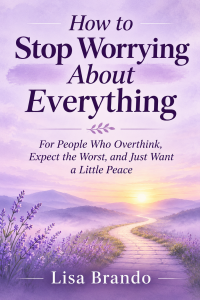
How to Stop Worrying About Everything
My book explores how to recognize anxious thoughts, question assumptions and make room for greater peace without needing everyone's approval.
Find more peace - related free guides
Helpful resources

About Lisa Brando
Lisa Brando is the author of The Finding Peace Series, an artist, mother, grandmother, entrepreneur and U.S. Coast Guard veteran. She began publishing her books at 64 to share encouragement with readers navigating worry, guilt and major life changes.
This article provides general educational information and personal encouragement, not medical advice, diagnosis or a substitute for professional care.