What should I do when I feel overwhelmed?
Pause before trying to tackle everything at once. Write down what is weighing on you, separate urgent responsibilities from those that can wait, and choose one small next action. Make room for your basic needs and ask for practical help if the demands exceed what you can reasonably manage. You don't have to resolve your entire life before you can begin feeling more in control of today.
- Name the demands weighing on you.
- Separate urgent tasks from those that can wait.
- Choose one small next step and ask for help when needed.

As a mother of six, grandmother and business owner, I know what it is like to have more things on my mind than I can possibly get done in a day. In my website business, I can be working on one problem when another comes up, and before I know it I'm thinking about five different projects at the same time.
Sometimes the hardest thing isn't the work itself. It's the feeling that I should be doing all of it right now. If you recognize that feeling, I want you to remember that being overwhelmed is not a personal failure. It is a reason to stop and examine what you're expecting of yourself.
Why do I get overwhelmed so easily?
Overwhelm can happen when the demands you are experiencing seem greater than the time, energy or resources you have available. It can come from a single major problem or from many smaller responsibilities accumulating without a break.
You might have trouble deciding where to start, switch between tasks without finishing them, feel emotionally drained, or find yourself avoiding a growing list of responsibilities. These experiences can have many causes, and feeling overwhelmed on its own is not a diagnosis.
Sometimes the demands really are excessive. Sometimes uncertainty or a habit of treating everything as urgent adds extra pressure. In either case, asking yourself to work harder is not always the most helpful response.
What to do right now: a five-minute reset
- Stop what you're doing, if it is safe, and take a moment to notice how you're feeling.
- Write the three things taking up the most space in your mind.
- Mark anything that genuinely needs attention immediately.
- Choose one manageable action to begin with.
- Decide what can wait until you have completed that action.
Even if your circumstances haven't changed in five minutes, you have given yourself a clearer starting point. You can review the other concerns afterward.
6 ways to stop feeling overwhelmed by everyday life
1. Stop keeping your entire to-do list in your head
Whenever I have several projects to work on, it helps to put them somewhere I can see them. Try a piece of paper or a simple notes app. Include the things you need to do, the decisions you need to make and the concerns that have been distracting you. Then you can look at each item separately instead of carrying all of them at once.
2. Decide what genuinely needs to happen today
Not everything on a list has equal importance. A necessary appointment or deadline may require attention today. A project that would be nice to finish may be able to wait. Ask what will actually happen if an item is moved to tomorrow, rather than automatically treating every unfinished task as a disaster. Read my guide to challenging worst-case thinking.
3. Make the first action smaller
The NHS recommends breaking large tasks into easier pieces when managing stress. Instead of putting "clean the entire house" or "finish the whole website" on your immediate list, identify a first action such as clearing one surface or reviewing one page. Completing one part gives you something concrete to build on.
4. Do one thing at a time where possible
When several tasks compete for your attention, choose a short period to focus on one of them. Put the other tasks on a list so you don't have to keep reminding yourself about them. If something genuinely urgent interrupts you, handle it appropriately and return to your chosen task when you can.
5. Ask what can be removed, delayed or shared
Sometimes the answer to overwhelm is not a better schedule. It is fewer demands. Consider whether a commitment is still necessary, whether a deadline can reasonably be adjusted, or whether someone could share a responsibility. This may not always be possible, particularly when you're caring for others or facing financial pressure, but it is worth considering before assuming everything must remain on your shoulders.
6. Protect time for the basic things you need
Sleep, meals, hydration, and time away from demanding activity are not extras reserved for the end of a perfect day. The National Institute of Mental Health recommends attending to basic self-care and identifying priorities. Taking care of yourself matters even when your to-do list is unfinished. If guilt makes that difficult, you may find my article Why Do I Feel Guilty When I Rest? helpful.
The three-list overwhelm worksheet
Instead of creating one enormous list, divide the things competing for your attention into three groups:
Must do today: Things with real consequences if left until another day.
Can wait: Useful tasks that do not genuinely need today's attention.
Need help or information: Things you cannot reasonably address without support, a decision or more information.
For example, imagine you have a bill due today, a project that needs editing, a kitchen that needs cleaning and a family concern you can't resolve alone. Handle the necessary payment or seek assistance if you cannot pay it. Schedule time for the editing, choose a small cleaning task later if you can, and decide how to reach out for support about the family concern.
Your answers are not submitted or saved by this worksheet. Print a copy if you want to keep them.
This is not about fitting all four responsibilities into one afternoon. It is about treating each as a separate situation instead of one overwhelming emergency.
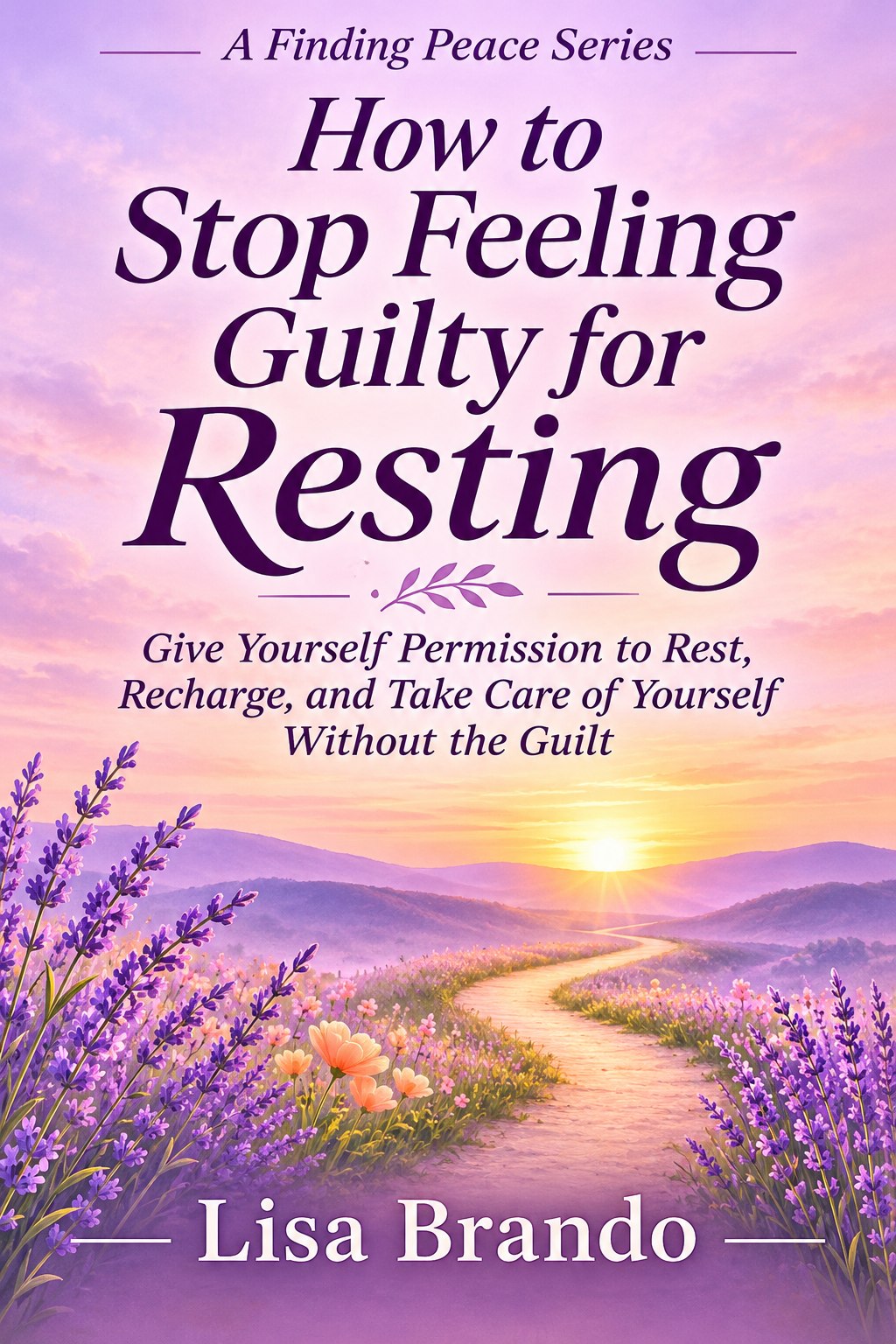
From The Finding Peace Series
How to Stop Feeling Guilty for Resting
Give Yourself Permission to Rest, Recharge, and Take Care of Yourself Without the Guilt.
View My Book on AmazonWhat if my responsibilities really are too much?
There are circumstances in which an exercise or a to-do list cannot solve what is happening. Someone may be facing a serious family problem, working multiple jobs, experiencing financial hardship or managing an illness. If your situation is genuinely difficult, you do not need to pretend otherwise.
Look for appropriate practical support. That could mean discussing workload with someone who can help, reaching out to a trusted person, speaking to a healthcare provider or contacting an organization that assists with a particular challenge. The fact that you cannot manage an unreasonable amount alone does not mean you lack strength.
When feeling overwhelmed becomes a reason to seek support
If feelings of overwhelm are persistent, worsening or interfering with your ability to sleep, concentrate, work or look after yourself, consider speaking with a healthcare provider or licensed mental health professional. Many different factors can affect how you feel, and professional support may help you identify appropriate next steps.
Frequently asked questions about overwhelm
Why do I feel overwhelmed even when there's not much to do?
The number of visible tasks does not necessarily reflect everything on your mind. Ongoing stress, uncertainty, exhaustion or other concerns may be contributing. If the feeling persists, it deserves attention and may warrant professional advice.
How do I stop feeling overwhelmed by my to-do list?
Separate genuinely urgent tasks from those that can wait, make the first step specific and manageable, and avoid repeatedly reviewing the entire list while trying to complete one item.
Should I keep working if I'm overwhelmed?
Consider whether continuing is necessary or whether a brief pause would help you reassess. Some responsibilities require immediate action, but you may be able to stop, clarify your priorities and return to work more deliberately.
Is feeling overwhelmed the same as having anxiety?
No. Overwhelm is a common experience and can occur for many reasons, including stress and anxiety. A qualified professional can help assess persistent symptoms and determine what support may be appropriate.
What should I do when I feel too overwhelmed to start anything?
Choose a first action so small that it feels manageable, such as writing a single task down or asking someone for help. You do not need to finish the whole task immediately. If difficulties persist or disrupt daily life, seek professional support.
How can I stop making everything feel urgent?
Ask what would actually happen if a task waited until tomorrow. Give immediate attention to real deadlines and safety needs, and set a realistic time for other responsibilities.
One day does not have to contain everything
I want you to remember that you don't have to accomplish everything today to have a worthwhile day. Sometimes doing one important thing, taking care of yourself and allowing tomorrow to have its own responsibilities is the best decision you can make.
Find more peace - related free guides
Helpful, reliable resources
- NHS Every Mind Matters: Stress - practical approaches to managing stress and demanding tasks.
- NHS Every Mind Matters: Problem Solving - breaking complex problems into manageable steps.
- National Institute of Mental Health: Caring for Your Mental Health - guidance on self-care and getting support.

About Lisa Brando
Lisa Brando is the author of The Finding Peace Series, an artist, mother, grandmother, business owner and U.S. Coast Guard veteran. She began publishing her books at 64, drawing on her own experiences to encourage readers facing worry, guilt and major life changes.
This article offers general educational information and personal encouragement, not medical advice, diagnosis or a substitute for professional care.